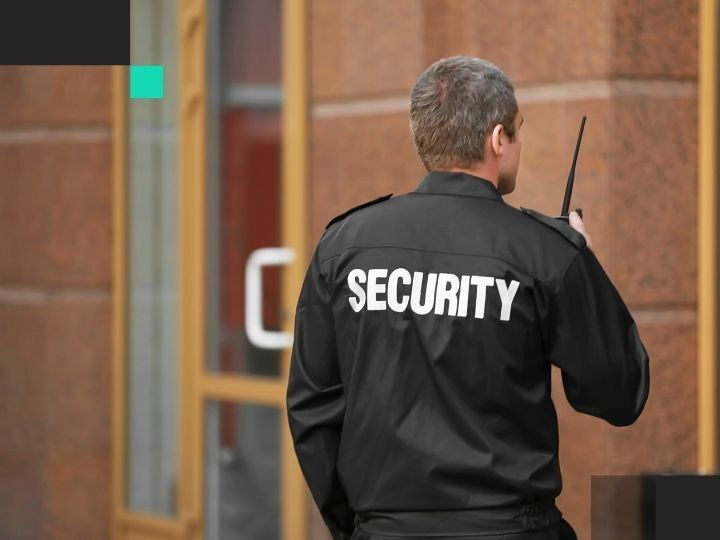
A hotel security patrol has an unusual characteristic: when it works perfectly, almost nobody notices it happened.
The fire exit was checked. The stairwell was clear. The loading bay was secure. The plant room was inspected. Nothing unusual happened on the guest floors.
Which sounds like success.
But it creates an awkward management problem.
Because “nothing happened” and “nobody checked” can look remarkably similar afterwards.
For hotel security management teams, that distinction matters. Security does not only need to happen. Increasingly, it needs to be visible, verifiable and capable of being reviewed after the event.
Hotels create a particularly difficult security environment
Most buildings become quieter at night. Hotels do the opposite.
Guests arrive late. Staff change shifts. Deliveries appear at unusual hours. Contractors move through back-of-house areas. Bars close. Events finish. Fire exits, stairwells, car parks, kitchens, plant rooms and public spaces all continue to require attention.
And unlike many commercial buildings, a hotel cannot simply solve every security problem by restricting access.
Openness is part of the product.
Hotel security operations therefore involve a constant balancing act: maintaining control without making guests feel controlled.
That makes routine security patrols particularly important.
They provide something that cameras, alarms and access systems cannot always provide on their own: a person physically seeing what is happening in the building.
But that creates the next question; how do you know the patrol actually happened?

The security checklist: A clipboard problem
For many years the answer to security operations was often remarkably simple.
A clipboard. Or perhaps a notebook.
The security officer completed the round, wrote down what they had seen and moved on.
There is nothing inherently wrong with that system. Paper is cheap, intuitive and rarely needs a software update. Its weakness appears later.
A security manager looking back at a handwritten patrol log may be able to see that an officer said they completed a round at 02:15.
What they may not know is whether the officer visited every required location, how long the patrol took, whether something was missed, or whether an incomplete patrol was identified at the time.
The record tells you what was written down.
It does not necessarily tell you what happened.
This distinction becomes much more important when something goes wrong.
Security patrols become interesting after the incident
Nobody spends much time discussing the fire exit that remained unobstructed. Attention arrives when somebody discovers it was blocked.
The same applies to an unlocked door, an unsecured service entrance, suspicious activity in a car park or an issue on a guest floor.
The immediate question is usually operational: What happened?
The next question is often more uncomfortable: When was this area last checked?
That is where patrol verification starts to matter.
A hotel security team may have procedures saying that particular areas should be inspected at defined intervals. But a procedure is an intention. Evidence shows whether the intention became reality.
For a security director or hotel security operations team, the value is not simply knowing that patrols are scheduled.
It is being able to establish:
-
which officer completed them;
-
which locations were visited;
-
when those visits happened;
-
whether required checks were missed;
-
what exceptions were recorded;
-
and what happened afterwards.
The difference sounds small. Operationally, it is enormous.
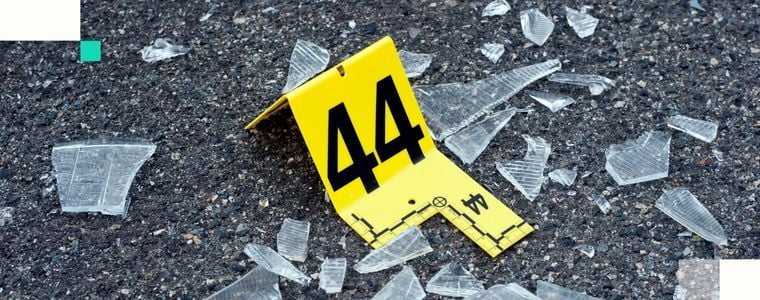
Security patrol verification changes the management conversation
There is an old management problem with invisible work; when everything goes well, it is tempting to assume the system is working.
This is particularly true of security.
A quiet night can mean the security operation performed brilliantly. It can also mean the hotel was fortunate. Without reliable information, distinguishing between the two becomes difficult.
Better patrol verification gives hotel security management teams something more useful than reassurance: visibility.
Patterns start to become apparent.
Perhaps a particular checkpoint is regularly missed during shift handover. Or, overnight patrols consistently take longer on event nights. Perhaps one location generates significantly more exceptions than the rest of the property.
None of these observations necessarily require a major incident. That is the point.
Good security operations information allows the hotel to identify weaknesses while they are still small.
Hotel security management is becoming an evidence problem
The purpose of a security patrol has not fundamentally changed.
A person still needs to go somewhere, look at something and decide whether everything is as it should be.
What has changed is the expectation around that activity.
Hotels increasingly need to understand not simply what their security procedures say should happen, but what actually happened across the property.
That means knowing whether patrols were completed.
It means identifying exceptions quickly.
And it means creating a reliable record that can be reviewed when questions are asked later.
Because in hotel security, the most difficult thing to prove is often the thing everyone hopes will happen:
nothing at all.