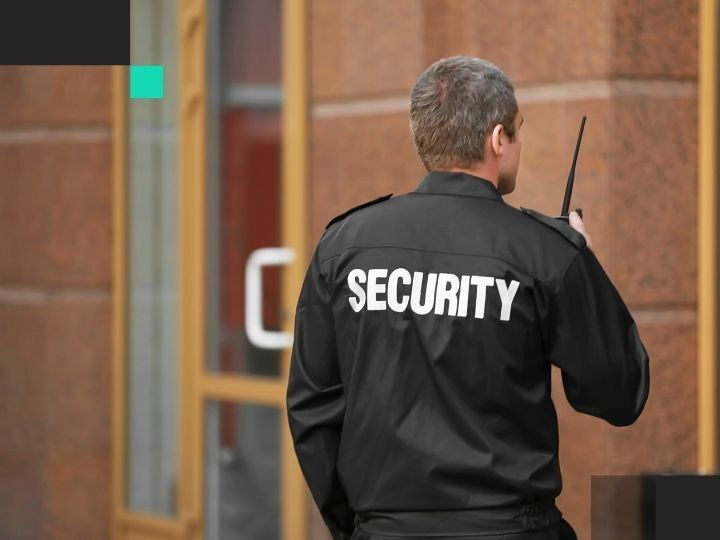
Most hotel security failures do not happen because nobody was on duty. Usually, somebody was there.
The harder question is whether anyone can prove they were where they needed to be, when they needed to be there.
Security patrols remain one of the most basic elements of hotel security operations. They exist for a simple reason: cameras, alarms and access systems can provide information, but they cannot always replace a person physically checking a space, noticing something unusual and deciding what to do about it.
In a hotel, that might mean checking a fire exit, walking a guest floor, inspecting a car park, visiting a plant room or confirming that a service entrance has been secured.
The value of the patrol is not really in the walking. It is in what that walking tells you. That somebody checked.
And increasingly, that you can prove it.
How hotel security patrols work
A hotel security patrol is a structured inspection of the property carried out by a security officer, usually following a defined route or set of locations.
Depending on the hotel, this could include:
-
guest floors and corridors
-
fire exits and stairwells
-
reception and public areas
-
bars, restaurants and function spaces
-
car parks and external areas
-
loading bays and delivery entrances
-
staff entrances
-
plant rooms and back-of-house areas.
The purpose is partly preventative. A visible hotel security guard can deter unwanted behaviour simply by being present.
But patrols also perform a much less visible role.
They allow security officers to notice the things that systems may not.
A door propped open. An obstruction in a fire route. Someone somewhere they should not be. Damage that has not yet been reported. Or simply something that does not look right.
That human judgement remains one of the most important elements of hotel security.
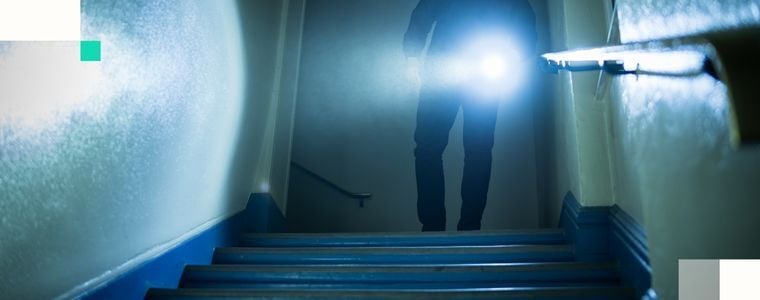 Hotel security guards operate when nobody is watching
There is a slight paradox at the heart of hotel security operations.
The patrol exists because somebody needs to provide oversight when other people are not there.
But that also means there is often nobody watching the person providing the oversight.
This is particularly relevant overnight.
Managers may have gone home. Staffing levels are lower. Large parts of the hotel are quieter. Yet security responsibilities continue.
Traditionally, the gap has been filled by patrol reports.
A hotel security officer completes a round, records what happened and moves on.
That gives management a record.
But a record and verification are not necessarily the same thing.
A logbook might show that a patrol was completed at 02:15.
It may not independently demonstrate which areas were visited, whether every checkpoint was reached or when individual locations were checked.
This is the difference between knowing what was reported and knowing what actually happened.
Security operations need more than a patrol report
Manual patrol reporting has existed for decades because it is simple.
A security officer completes a round and writes down the result.
There is nothing inherently wrong with that. The limitation appears when somebody later needs to reconstruct what happened.
Manual systems can create several blind spots: entries may be completed retrospectively; records depend on accurate human input; supervisors cannot easily verify each location; missed patrols may not be identified until later; records can become fragmented between shifts or properties.
That matters because hotel security operations rarely fail spectacularly all at once. More often, small operational gaps accumulate.
A door is repeatedly missed. A checkpoint is difficult to access. A particular round is regularly delayed during shift handover.
Nothing happens, so nobody notices.
Until eventually something does.
Patrol verification makes those small gaps visible before they become important.
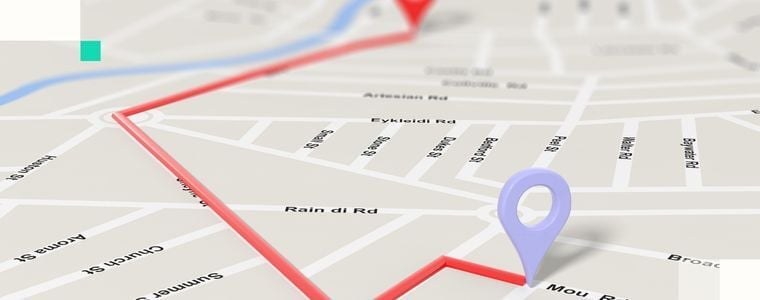 Security tracking can turn patrol reporting into evidence
The distinction between reporting and verification is simple.
Patrol reporting tells you what somebody says happened. Patrol verification provides evidence that it happened.
Security tracking systems can achieve this by placing physical checkpoints around the hotel.
A security officer interacts with those checkpoints as they complete their patrol, using technologies such as NFC tags or RFID. The system can then automatically record information such as:
-
which security officer completed the visit
-
the time the location was reached
-
which checkpoint was visited
-
observations made during the patrol
-
incidents or exceptions raised at that location
Rather than relying solely on somebody remembering to document a completed round afterwards, the activity generates its own evidence as it happens.
That changes patrol management from a reporting exercise into a verification process.