Hotels are full of equipment that everyone needs and nobody really owns.
Radios move between shifts. Body-worn cameras are issued, returned and reissued. Access cards get passed between teams. Lone-worker devices change hands.
Phones, tablets and other operational equipment seem to develop a natural instinct for disappearing into lockers, back offices and desk drawers.
Most of the time, they eventually turn up.
That does not mean the process is working. It usually means somebody spent time looking.
That is the problem hotel asset tracking should solve. Not simply knowing what equipment the hotel owns.
Knowing who has it, where it is, and whether it has come back.
Why hospitality asset tracking becomes difficult across shifts
Hotels run continuously, but responsibility changes constantly.
A radio might start the morning with security, move to another employee during a break, then be handed over to the evening team. A body-worn camera might be issued for one shift and returned to a shared charging area. A contractor pass might only be needed for three hours.
The equipment keeps moving. The record of that movement often does not.
That is why hospitality asset tracking is less about inventory and more about custody.
An inventory can tell you that a hotel owns 20 radios. It cannot necessarily tell you why only 17 are in the charging dock.

Hotel equipment does not normally disappear. Accountability does
When equipment goes missing, the natural assumption is that someone has lost it. Sometimes they have.
But often the bigger problem is that the hotel cannot establish exactly when responsibility changed.
Consider a radio issued at the start of a shift.
The original employee finishes early and gives it to a colleague. That colleague later leaves it at the security desk. Someone from another department borrows it. Nobody records any of those movements.
By the end of the day, the hotel may still physically have the radio. But accountability disappeared several hours ago.
The objective of asset control is not merely to stop equipment being stolen. It is to maintain a reliable chain of responsibility while equipment moves around the operation.
Radios and communication equipment
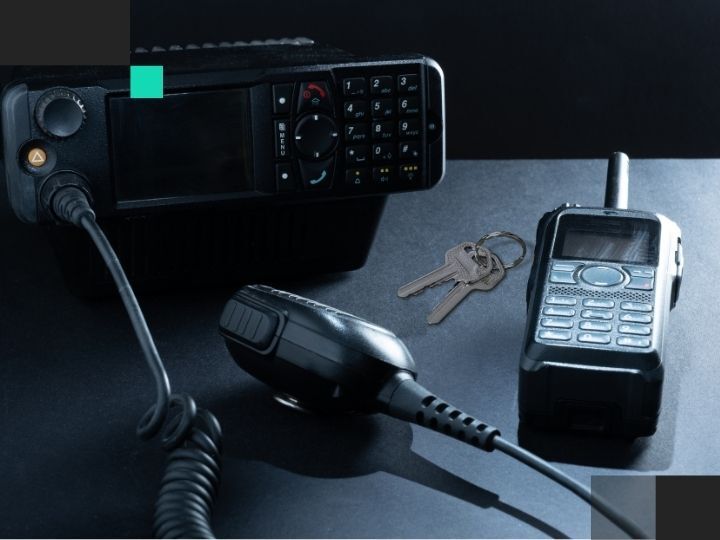
Radios are a good example because they are frequently shared and operationally important.
When a radio is missing, the replacement cost is only part of the problem.
A team may start a shift without enough equipment. Another employee may have to share.
Communication can become less reliable. Someone then has to work out which unit is missing and who last used it.
A very small administrative gap can therefore create a very practical security operations problem.
Body-worn cameras
Body-worn cameras create an additional layer of responsibility.
The device itself needs to be accounted for, but so does its readiness.
Has it been returned? Is it charging? Is the correct unit allocated to the correct person? Is a damaged or unavailable camera still showing as usable?
This makes asset visibility important not only from a loss-prevention perspective, but from an security operations perspective too.
Access cards and passes
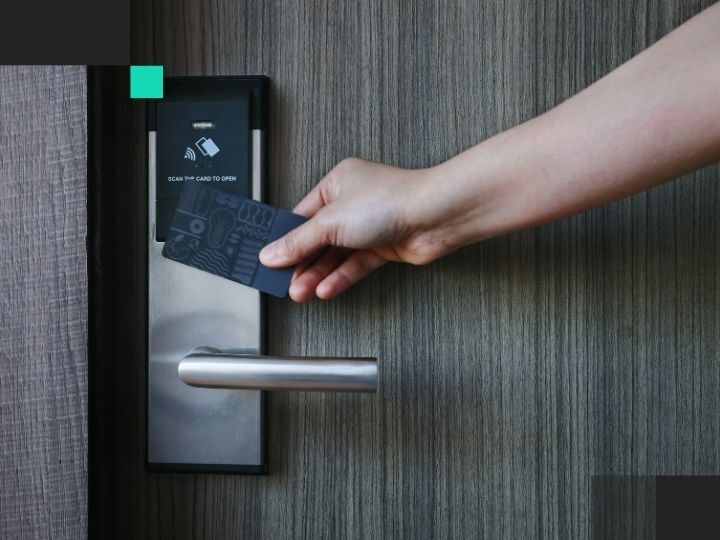
Access cards, contractor passes and temporary credentials can be easy to overlook because individually they may seem low value. But their importance comes from what they permit.
A missing pass may represent a much greater risk than a missing piece of equipment worth ten times as much.
Knowing who has it, when it was issued and whether it has been returned therefore matters far more than its replacement cost.
Lone-worker and operational devices
Some equipment is issued because it supports a specific safety or security operations process.
If a lone-worker device is missing, unavailable or allocated incorrectly, the problem is not simply poor asset control.
The hotel may be starting a shift without equipment that the operating model assumes is available.
That is why hotel asset tracking should connect equipment with people, not just equipment with storage locations.

What should an asset tracking system actually record?
A hotel asset tracking system should answer practical questions quickly.
Not after somebody has checked three spreadsheets and phoned the previous shift. At minimum, the hotel should be able to establish:
-
what the asset is
- who currently has it
- when it was issued
- when it is expected back
- whether it has been returned
- whether it is available for use
- and whether anything needs following up
That record becomes more valuable as the number of assets, users and handovers increases.
The more movement there is, the less reliable memory becomes.
Shift handovers are where hotel equipment tracking often breaks down
Shift change is one of the most natural places for asset control to become blurred. One team is trying to finish. Another is trying to start.
People are exchanging information, updating logs, dealing with outstanding incidents and handing over responsibilities. Equipment changes hands at the same time.
It is easy for a radio or camera to be passed directly from one person to another without ever returning to its expected location.
For security operations, that can seem efficient. From an accountability perspective, it creates a blind spot.
Good hotel equipment tracking should accommodate the way people actually work rather than forcing every asset through an unrealistic process.
The aim is not to make handovers slower. It is to make responsibility clearer.
From hotel asset tracking to proof of accountability
The strongest asset processes create a clear record of responsibility.
Who collected the equipment? When? For what purpose? Was it returned? Was anything damaged, missing or overdue?
This becomes particularly useful when something does go wrong. Instead of asking five people whether they remember seeing a radio, the hotel has a record.
Instead of discovering at the beginning of a shift that equipment is unavailable, teams can identify exceptions earlier.
Instead of assuming an asset was returned, there is evidence that it was.
That is the difference between inventory and accountability; inventory tells you what the hotel owns, whereas asset tracking tells you what is actually happening to it.
And in a building where people, equipment and responsibilities are constantly moving, that is usually the more useful question.